
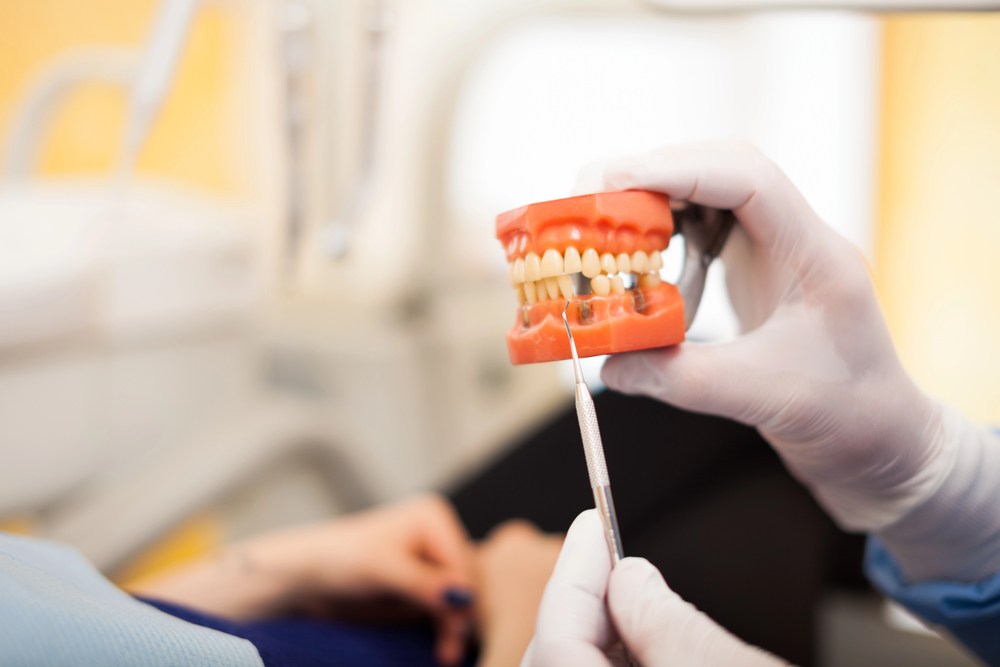
Usually, yes. A dentist removes or reshapes some outer tooth structure to make space for a crown that fits your bite and covers the tooth properly. The amount depends on the type of crown, the tooth’s condition, and how much healthy structure remains. It is not a standard amount for every tooth, and a dentist should explain why the proposed preparation is needed before treatment.
Why Does a Tooth Need to Be Reduced for a Crown?
A crown covers the visible portion of a prepared tooth. Without adequate room, the restoration could feel too bulky or interfere with your bite. Preparation creates the shape and space required for the planned crown while preserving sound tooth tissue where possible. The American Dental Association’s overview of crowns explains their uses in protecting and restoring damaged teeth.
A dentist may also remove decay or a failing restoration and rebuild areas where the tooth cannot adequately support a crown. A severely damaged tooth is approached differently from one that is mostly intact.
How Much of the Tooth Do Dentists Remove?
There is no single amount that applies to every patient. The dentist balances crown material requirements, tooth anatomy, damage, bite clearance, and retention. Reducing too little may leave an ill-fitting restoration; reducing more than necessary sacrifices healthy tooth structure. Exact measurements belong to an individual treatment plan, not a generic online rule.
|
Factor |
Why it changes preparation |
|
Crown design and material |
Different restorations need different space and contours. |
|
Decay or an old filling |
Damaged material may need removal or replacement before fitting the crown. |
|
Tooth position and bite |
Available space against neighboring and opposing teeth affects shaping. |
|
Remaining tooth structure |
A weakened tooth may need a supporting build-up or a different treatment plan. |
What Happens During Tooth Preparation?
The dentist examines the tooth, reviews imaging when indicated, and confirms whether a crown is appropriate.
The area is generally numbed with local anesthetic; the dentist removes decay if present and shapes the tooth for the planned restoration.
The prepared tooth and bite are recorded using a scan or impression so the crown can be designed to fit.
The dentist checks fit, contact points, and bite before cementing or bonding the restoration. Some treatments require a temporary crown and a later appointment.
The Australian Dental Association’s patient explanation of crowns describes the role of reshaping and impressions. The precise workflow depends on the office and clinical case.
Does Crown Preparation Hurt?
Local anesthetic is commonly used to limit pain while the tooth is prepared. Patients may still notice pressure, vibration, or water spray. Once anesthetic wears off, some temporary sensitivity or gum tenderness may occur, but severe or increasing pain deserves a call to the dentist. The ADA’s explanation of sensitive teeth describes why exposed dentin can react to temperature.
Are There Alternatives That Preserve More Tooth?
Sometimes a filling, onlay, or another restoration can conserve more tooth structure than a full crown. Whether one is suitable depends on the extent and location of damage, cracks, remaining enamel, bite forces, and long-term support. A tooth with extensive fracture or structural loss may need the coverage a crown provides. Ask your dentist what alternatives were considered and why they may or may not fit your situation.
For patients exploring treatment locally, Desert Sage Dental offers same-day dental crowns in Kennewick. The practice describes CEREC crowns, but suitability for an individual tooth depends on an examination; a same-day service does not eliminate the need for careful preparation.
What Should You Ask Before Saying Yes to a Crown?
Which part of my tooth is damaged, and how much healthy structure is expected to remain?
Why is a full crown preferable to a filling or partial-coverage restoration in my case?
Will I need a build-up, a temporary crown, or other treatment first?
What symptoms after treatment would mean I should call the office?
Frequently Asked Questions
Is tooth shaving for a crown reversible?
No. Removing enamel and other tooth structure is not reversible. That is why a crown recommendation should follow an examination and discussion of conservative alternatives. A crown can restore function and protect a damaged tooth, but it does not replace the original tooth tissue.
Can a crown be placed over a tooth that has had a root canal?
Yes, many root-canal-treated teeth receive crowns, especially when the remaining tooth requires protection. Not every root-canal-treated tooth automatically needs the same restoration. Tooth position, how much structure remains, and chewing forces guide the recommendation.
Will my prepared tooth look like a tiny peg?
Sometimes a prepared tooth looks noticeably smaller, but its appearance varies with the tooth and restoration design. Viral before-and-after photos are not reliable guides to the amount of preparation your own tooth needs. Ask your dentist to explain the planned shape and what will remain.
Can a crown still get decay underneath it?
Yes. A crown covers the tooth but does not make the margins immune to plaque-related decay. Brush with fluoride toothpaste, clean between teeth, and attend recommended checkups. Report a loose crown or a new area that traps food.
What if my bite feels high after a crown is placed?
Contact the dentist if the crowned tooth hits first, chewing feels uneven, or discomfort persists. A bite adjustment may be needed, but the office should evaluate the reason rather than having you try to modify the crown yourself.
Talk With a Kennewick Dental Team
For questions about crown preparation and restorative options, contact Desert Sage Dental in Kennewick, view the practice on Google for directions, or call or text (509) 585-2500. An examination can help clarify the appropriate next step.